
Phoebe's Blog
Mar 09
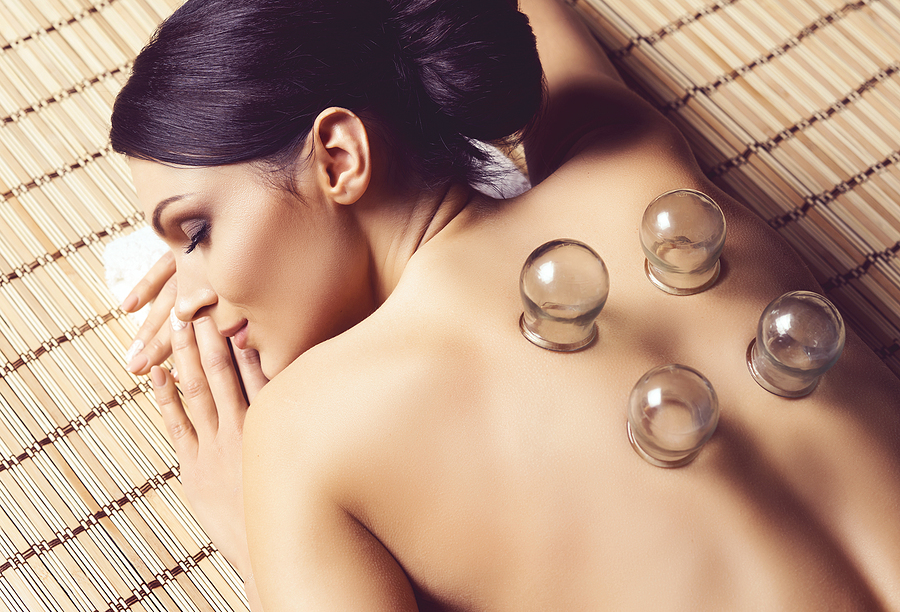
What Is Chinese Cupping? 5 Of Your Questions Answered!
Finding holistic ways to manage health is becoming increasingly appealing to many people as a preventative healthcare measure and to reduce reliance on medication where appropriate and beneficial.
Focusing on wellness over time can only stand you in excellent stead as you get older - and the good news is that there are many avenues you can go down to help you with a wide range of ailments that may crop up.
One such therapy to consider is traditional Chinese cupping, which has been used for centuries to address all sorts of complaints, everything from chronic pain and respiratory issues to physical injury recovery.
Here are some of the frequently asked questions about cupping that we hear at AcuSpa. If you don’t find what you’re looking for here, however, simply give the team a call and we can discuss the therapy and its myriad benefits.
1. What is Chinese cupping?
The ancient Chinese practice of cupping dates back to 1500 BC, involving the use of a cup to create suction on the skin through the application of a flame inside the cup, which creates negative pressure and draws the skin upwards.
In traditional Chinese medicine, it’s believed that this works to promote the flow of Qi and reduce stagnation in meridian channels, which can cause illness and disease.
Common materials for cups include glass, ceramic, bamboo and plastic. Some practitioners use a rubber pump now instead of a flame to create the necessary vacuum inside the cup, which can be safer and more controlled.
2. What can Chinese cupping treat?
Many conditions can potentially be treated by cupping, including:
-
Chronic back pain
-
Neck pain
-
Stiff muscles
-
Sciatica
-
Fibromyalgia
-
Colds
-
Bronchitis
-
Congestion
-
Asthma
-
Sports injuries
-
Post-surgery/injury trauma
-
Muscle spasms
-
Anxiety
-
Stress
-
Insomnia
-
Fatigue
-
Acne
-
Eczema
-
High blood pressure
3. How does cupping work?
By creating a vacuum and pulling the skin, tissues and blood vessels upwards, stagnant Qi and blood is brought to the surface, breaking it up and promoting free flow in meridians once again.
4. What are the different types of cupping?
Wet cupping
Here, the skin is lightly pierced so that blood is able to flow into the cup upon application. The aim here is to promote detoxification, provide inflammation relief and improve blood circulation, while eliminating toxins and promoting healing.
Dry cupping
Here, the skin isn’t pierced and cups are just applied to the skin to create the vacuum necessary to draw skin and tissue upwards. This method aims to improve blood flow, loosen muscles, encourage relaxation, provide pain relief and enhance general wellbeing.
5. What happens during cupping therapy?
It’s natural to feel a little anxious if you’ve never had cupping before but rest assured that the therapy is safe and effective.
A typical session will last between five and 15 minutes, with oil applied to the skin and the cups moved over the body to deliver a gentle massage.
Note that you should not experience any pain during your therapy session with us at our Manchester clinic, but you may experience a tight, stretching or pulling sensation as we work.
Feb 28
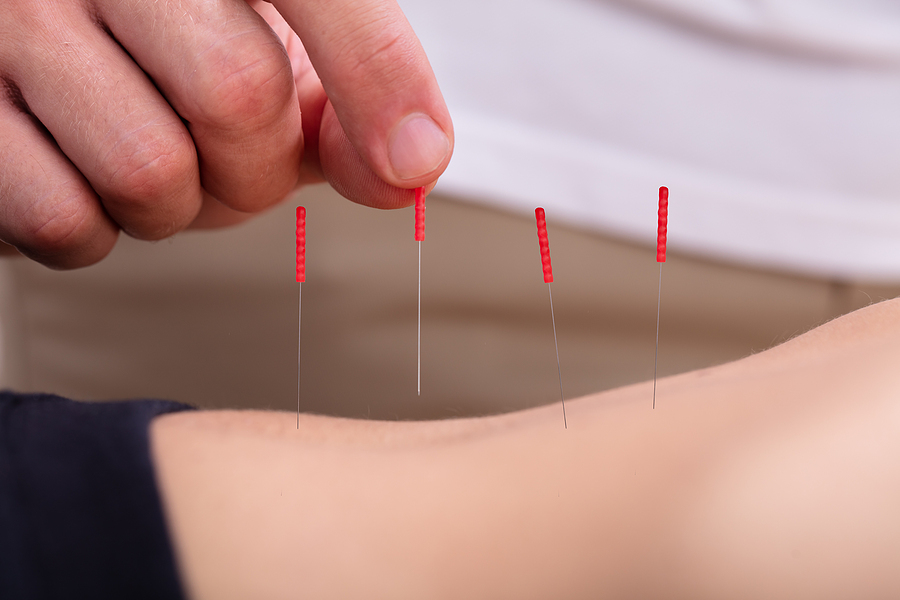
Is Acupuncture Effective For Treating Endometriosis Pain?
The month of March marks the start of the Endometriosis Action awareness campaign, where the spotlight is put very firmly on this chronic condition to help encourage people to share their stories and help drive systemic change for the benefit of all those affected.
What is endometriosis?
A relatively common condition that affects around ten per cent of reproductive-age women around the world, endometriosis is diagnosed when tissue usually found in the lining of the uterus starts to grow outside it, leading to inflammation and the formation of scar tissue.
There is no known cure for this chronic disease, but there are ways in which it can be treated, either using medication or, in some cases, surgery.
What are the symptoms of endometriosis?
Endometriosis can be found in areas around the womb, including the fallopian tubes, the ovaries and the pelvis lining, as well as organs like the bowel and bladder (although this is less common).
Symptoms of endometriosis include:
-
Severe period pain
-
Heavy periods
-
Pain in your back and lower tummy
-
Pain during or after sex
-
Pain when using the toilet
-
Fatigue
-
Pain or bleeding elsewhere, such as in the chest
-
Low mood
-
Anxiety
It is also possible that you may have difficulty falling pregnant if you do have endometriosis.
Can acupuncture help with endometriosis pain?
Potential treatment options for endometriosis include painkillers and hormonal medications like the combined contraceptive pill… but if you’ve tried these and found them to be less effective than you’d hoped, you might find greater benefits in acupuncture.
This form of traditional Chinese medicine is effective as a method of pain relief and pain management, working by stimulating the body’s meridians (energy-carrying channels) to correct imbalances and promote the free flow of Qi, helping to restore health.
The practice itself involves the insertion of very fine needles into specific points in the body, helping to clear blockages that may have developed over time.
When you book an acupuncture appointment, you can expect some of the following trigger points to be used:
-
Tai Chong, found in the foot
-
Xue Hai, found above the knee
-
Zu San Li, found on the leg
-
He Gu, found on the hand
-
Sanyinjiao, found above the inner ankle bone (the most important acupuncture point for treating female conditions)
What happens after an acupuncture session?
Typically, after you’ve been to see us here at AcuSpa, you will feel relaxed, calm and perhaps even sleepy. This is known as the acu-nap effect, so do not be alarmed if you do experience a little bit of temporary fatigue. This is entirely normal.
To help you recover after your session, take it as easy as you can for a day or two and make sure you stay hydrated and drink lots of water to flush out any toxins.
Avoid any strenuous exercise immediately after your appointment and, if possible, stay away from alcohol and caffeine for a few days to ensure you reap the maximum benefits of the therapy.
Feb 10
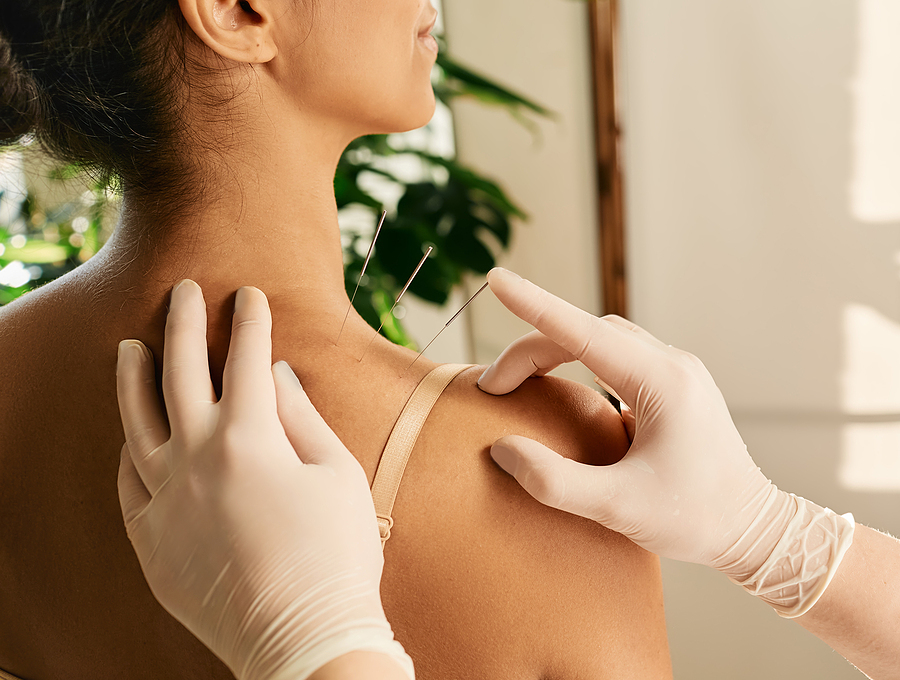
Acupuncture For Hormonal Balance: Regulating Periods & Reducing PMS
It’s entirely natural for everyone’s hormones to fluctuate over time, but it can be difficult to navigate as certain symptoms may arise as a result, symptoms that can affect our quality of life, everything from headaches and fatigue to anxiety, mood swings, breast tenderness, bloating and even premenstrual syndrome (PMS).
Issues with hormones are among some of the most common reasons that women come and see us here at AcuSpa, keen to see whether acupuncture can provide them with some relief.
A form of traditional Chinese medicine, acupuncture has supported women’s health for thousands of years, with specific points on the body stimulated by the insertion of fine needs to improve the flow of Qi, the body’s natural energy.
If this becomes blocked, for whatever reason, illness and disease can occur.
How can acupuncture help regulate periods?
Not knowing when your next period will arrive can be very trying, particularly if you’re trying to conceive - but acupuncture has the potential to help regulate periods by balancing hormones like testosterone, oestrogen, follicle-stimulating hormones and anti-Mullerian hormones.
Typical menstrual cycles range from between 28 to 29 days. Irregular cycles are either longer than 35 days or shorter than 23 days, with causes including:
-
Stress
-
Hypothyroidism (underactive thyroid glands)
-
Side-effects of the contraceptive pill
Primary acupuncture points to help regulate periods include:
-
Spleen 6, found on the inner lower leg, just above the ankle bone
-
Liver 3, found at the top of the foot between the big toe and the second toe
-
Conception Vessel 4, found on the lower abdomen just below the navel
-
Stomach 36, found on the lower leg just below the kneecap
How can acupuncture help reduce PMS?
PMS is the term used to refer to the range of different symptoms that women can experience in the weeks leading up to their period.
Symptoms of PMS include:
-
Mood swings
-
Fatigue/insomnia
-
Feeling upset or emotional
-
Anxiety
-
Headaches
-
Greasy hair
-
Spotty skin
-
Food cravings/appetite changes
-
Bloating/cramping
-
Constipation/diarrhoea
Research suggests that acupuncture and acupressure alike have the potential to improve both the physical and psychological symptoms of PMS.
Primary acupuncture points to help with PMS include:
-
LI4, found in the webbing between the thumb and index finger
-
PC6, found just above the wrist crease between the two tendons
-
SP8, found just below the knee on the inside of the leg
-
SP10, found on the inner thigh just above the knee cap
Rest assured that every acupuncture session is tailored individually to suit your specific concerns, helping to address your specific symptoms and health conditions.
Aside from period regulation and PMS, acupuncture can also help with painful periods, heavy or prolonged balance, light or absent periods, premenstrual dysphoric disorder, polycystic ovary syndrome and endometriosis.
If you’d like to find out more about how we can help support you throughout the various stages of womanhood, book a consultation with the friendly and experienced team today.
Jan 20
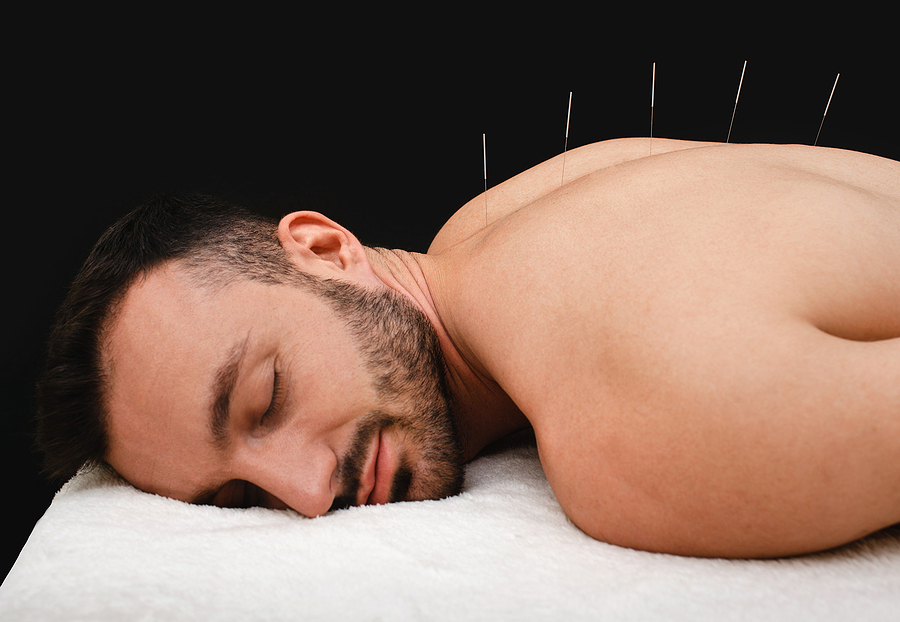
Detox This New Year With Acupuncture Sessions!
The start of a brand-new year is always a good opportunity to rest, recharge and revitalise… and many of us consider going on a detox in January to help us get over the Christmas festivities.
What is a detox?
The aim of detoxification is to remove any toxic substances from the body to improve health, give you an energy boost and help support the liver and kidneys.
Of course, it’s important to make sure that you follow a healthy diet consistently, as well as getting regular exercise and avoiding the likes of alcohol and cigarettes if you do want to make general health a priority in 2026 and beyond.
But you can up the ante in this regard if you consider a detox of some kind, whether that’s via fasting and juice cleanses, adding supplements to your diet, eliminating foods like dairy, carbs or caffeine, or having a colon cleanse, for example.
Another alternative - and one that can be very effective - is acupuncture, which works to stimulate the body’s natural pathways (such as the digestive system, kidneys and the liver) to help you remain in good health.
How can acupuncture support detoxification?
A form of traditional Chinese medicine, acupuncture is a holistic approach to cleansing your body, one that has been used for thousands of years.
It helps your body’s natural pathways clear itself of toxins that build up over time, restoring and improving energy flow (Qi) while helping you to get rid of any anxiety, stress and emotional overwhelm you may be experiencing.
What are the main acupuncture trigger points for detoxification?
To help support detoxification, your acupuncturist will target the liver, kidneys and digestive system.
Trigger points include:
Liver 3: Fine needles will be inserted in the top of the foot between the big toe and the second toe to help liver function and stress relief
Kidney 3: Here, the inner ankle is targeted to support energy and kidney filtration
Large intestine 4: Needles are inserted in the soft webbing between the thumb and index finger to release toxins
Stomach 36: Needles are inserted below the knee to support digestion, energy and immune system function
How to tell if you could benefit from detox acupuncture?
Tune into your body and how you’re feeling, as your body will tell you everything you need to know.
If you have any of the following symptoms, you may well benefit from having a few acupuncture sessions to help your body detox:
- Brain fog
- Fatigue
- Bloating
- Constipation
- Insomnia
- Anxiety
- Depression
- Mood swings
- Acne breakouts
- Dull skin
- Feeling emotionally blocked or overwhelmed
Going for weekly acupuncture sessions can really help you recharge and reset, but aim to make any necessary lifestyle changes as well, such as staying well hydrated throughout the day and eating clean.
We’d love to help you start 2026 off on the right foot, so give the AcuSpa team a call to find out more about how acupuncture could help.
Jan 09
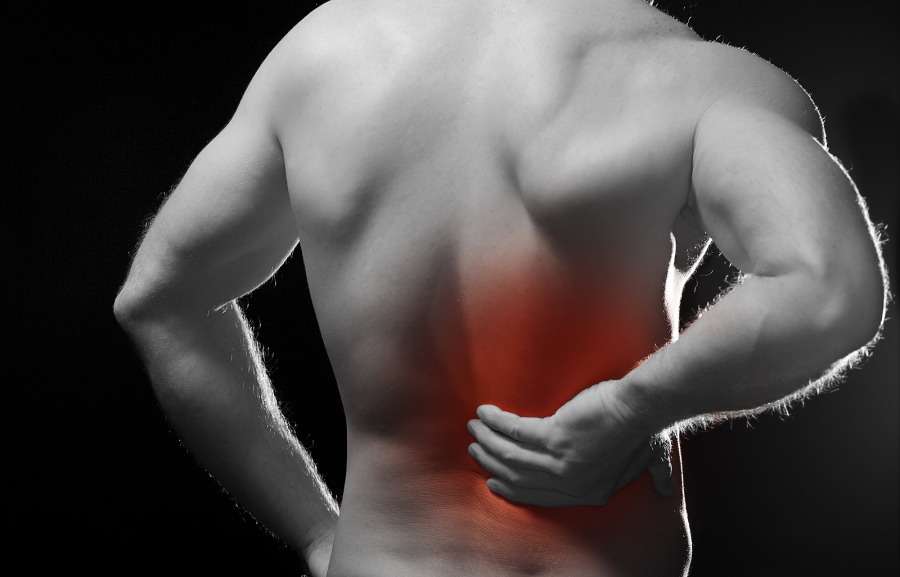
Can Acupuncture Help With Chronic Back Pain?
Back pain is one of the most common complaints that people can experience, particularly lower back pain.
Symptoms often resolve themselves within a week or two but they can last a lot longer than that in some cases or they can come back, which is when the pain becomes chronic (long term).
Back pain can be the result of an injury (such as a strained or pulled muscle), or a medical condition like sciatica (trapped nerves), a slipped disk or ankylosing spondylitis (where the spine becomes inflamed).
While back pain is often muscular or spinal, it can sometimes relate to internal organ function such as kidney stones, for example, so it’s important not to overlook even minor aches, as they can be the body’s early signals.
After all, significant health issues often develop from small, accumulated concerns.
There are various ways in which this kind of pain can be treated, including:
-
Staying as active as possible and continuing with daily routine as far as is practical
-
Taking anti-inflammatories such as ibuprofen
-
Using hot and/or cold therapy to reduce pain, swelling, joint stiffness and muscle spasms
-
Specific exercises and stretches to relieve pain
However, there is another potential avenue for treatment if you’re worried about your back pain and want to get on top of it… and that’s acupuncture.
How can acupuncture help with chronic back pain?
Left unaddressed, back pain can very quickly take its toll on your mental and emotional health and wellbeing, causing stress, depression and anxiety. This, in turn, can amplify the pain that you’re in, making it even harder for you to continue with daily life.
One effective form of treatment that may well be worth pursuing is acupuncture, traditional Chinese medicine that involves the use of very fine needles inserted into the body to ensure that its Qi energy is able to flow through channels (known as meridians) unhindered.
The theory is that if this Qi is unable to flow as it should, the body and mind will be compromised, leading to illness and disease.
During your acupuncture session with us, fine needles will be inserted at pressure points in the body to help ease your back pain, including in the backs of the knees, the feet, the lower back, the hands, hips and the stomach.
If you have upper back pain, in contrast, needles would be positioned in points found in the shoulders, neck and head, as well as the upper back itself.
It’s believed that by stimulating these trigger points, the nervous system is stimulated in such a way as to relieve pain, releasing certain chemicals and neurotransmitters, as well as endorphins, to help ease symptoms.
There is good evidence indicating that acupuncture can effectively reduce back pain, with benefits of the practice lasting at least a year.
Furthermore, it’s certainly worth noting that this form of traditional Chinese medicine is non-invasive and safe, with no downtime or recovery period necessary following a session - so you’ll be able to get back to your normal routine immediately.
Given that many healthcare treatments come with associated risks and side-effects, this reduced risk of adverse effects is just one of the many benefits of acupuncture for back pain.
If you’d like to find out more, get in touch with the AcuSpa team today.
Dec 25
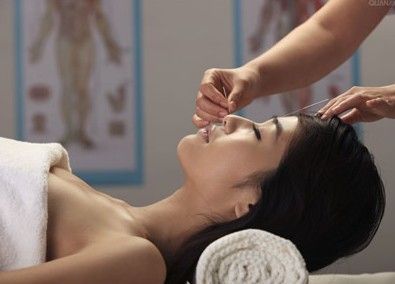
Research Into Acupuncture: 11 Facts About The Practice
When it comes to our general physical, emotional and spiritual wellbeing, adopting a holistic approach to health management is perhaps the best way to keep yourself in fine fettle.
As well as going through the usual channels if you have a complaint of some kind, such as going to see your GP and following their advice, you might also want to consider the very real benefits of acupuncture, which has been found over the centuries to successfully treat a wide range of different concerns.
What is acupuncture and how does it work?
In modern Western medicine, it’s understood that the body is made up of different complex systems (nervous, muscular, skeletal, digestive, respiratory and so on).
But in traditional Chinese medicine, an additional system comes into play - meridian channels that facilitate the flow of Qi (energy) throughout the body, interconnecting with tissue and organs.
Each meridian corresponds to a different organ and in order for the body and mind to be healthy, Qi has to be able to flow freely. When this flow is interrupted, illness and disease manifests.
To help address potential Qi blockages, fine needles are inserted into specific points along the meridians in the body, either unblocking and moving the flow or redirecting it to where it needs to go, restoring normal function once again. And that’s acupuncture!
If you want to find out even more, here are just a couple of different studies forming part of the growing body of research into the benefits of acupuncture for different health conditions.
Read on!
11 fast facts about acupuncture: What the research shows
A systematic review of high-quality medical trials by Vickers et al (2018) involved more than 20,000 adults with chronic headaches, osteoarthritis and musculoskeletal pain, finding:
-
Acupuncture is more effective than control for all pain conditions
-
The effects of the treatment persist over time (15 per cent reduction at the one-year stage)
-
Acupuncture is not a placebo for treatment of chronic pain
Research from the University of York found that acupuncture and boost the effectiveness of standard medical care, reducing the severity of depression and chronic pain, and revealing:
-
Acupuncture, used alongside standard medical care, can significantly reduce the number of headaches and migraine attacks, as well as reducing severity of neck and lower back pain
-
Acupuncture can reduce the pain and disability of osteoarthritis, reducing reliance on anti-inflammatory pain control medication
-
Acupuncture is cost effective, with value for money less than the £20,000 threshold cost per quality of life year
-
Acupuncture, alongside counselling, can significantly reduce depression severity, with benefits sustained for up to 12 months post-treatment
A 2016 systematic review and metaanalysis into the efficacy of acupuncture in post-operative pain management (Ming-Shun Wu et al) found:
-
Acupuncture treatment resulted in less pain and reduced use of opioid analgesics (which come with potential side-effects) after surgery
A systematic review and metaanalysis of randomised controlled trials (Quan et al) found:
-
There is a benefit of acupuncture for outcomes in women with infertility
-
The number of acupuncture treatments is one potential influential factor
-
More studies with larger scales and better methodologies are now needed to further verify findings
Book an acupuncture treatment session
If you’re intrigued to find out more about the benefits of acupuncture for different health conditions, get in touch with the AcuSpa team today to see how we can help.
Nov 25
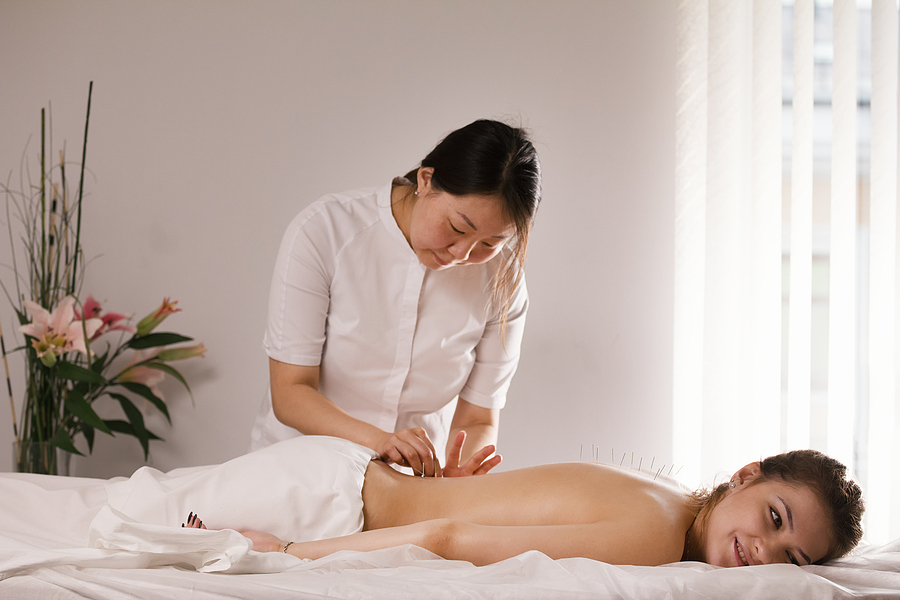
How Acupuncture Supports Fertility And IVF Success Naturally
Planning a family is always an exciting time, but if you experience fertility issues it can become very upsetting. The more you try, the more upsetting it can become - and this struggle can lead to other issues in your relationship, pushing you and your partner apart.
It’s important, however, to remember that fertility concerns are relatively common, affecting approximately one in seven couples - so you are by no means alone.
And even if fertility isn’t necessarily a concern, it can still take a surprisingly long time to conceive, with studies showing that more than eight out of ten couples where the woman is under 40 will conceive within a year of having regular unprotected sex.
For couples that have been trying to conceive for over three years, the likelihood of seeing success naturally within the next 12 months is one in four, or less.
If you’ve been trying for at least a year, it is perhaps advisable to go and see your GP to have some tests done and build up a better picture of what’s happening, so you can make more informed decisions about your future.
However, another path to consider alongside this is the use of acupuncture, a form of traditional Chinese medicine where tiny needles are inserted in specific points on the body, with benefits for both men and women.
How does acupuncture help fertility?
In women, acupuncture has been found to:
-
help regulate menstrual cycles and ovulation
-
balance hormones
-
improve blood flow to the uterus
-
reduce inflammation
-
relieve symptoms of endometriosis and polycystic ovary syndrome
-
increase IVF success rates
In men, the holistic therapy has been found to:
-
improve sperm quality and sexual function
-
support hormone regulation and testicular blood flow
-
improve sperm count (including shape and mobility)
In both partners, acupuncture can help reduce stress and anxiety, support mental and emotional health and wellbeing, and engender a significantly healthier relationship environment, all of which will benefit conception attempts.
What happens during an acupuncture session?
When you come to see us at AcuSpa for your first appointment, you will be greeted by lead clinician Phoebe Yang who will go through your initial questionnaire and discuss your health/medical history with you, asking specific questions about your current symptoms.
From there, a tailored treatment plan can be devised that will address your symptoms and overall health goals.
Often seen as a form of complementary or alternative medicine, acupuncture involves stimulating sensory nerves beneath the skin and within the muscles to trigger the body’s production of natural substances, such as endorphins.
The practice exerts its therapeutic effect on IVF-related infertility through its profound regulatory influence on the female reproductive system.
By skillfully needling specific points, it harmonises the flow of Qi and Blood within the Chong and Ren Mai, which are fundamentally responsible for uterine health and menstrual regularity.
This ancient practice modulates the hypothalamic–pituitary–ovarian axis, fostering improved follicular development and endometrial receptivity, a crucial factor for successful embryo implantation.
Furthermore, its renowned ability to mitigate stress and restore physiological equilibrium addresses a significant barrier to conception, thereby creating a more favourable environment for pregnancy to establish.
During your appointment, you’ll be asked to lie or sit down (potentially removing clothing to ensure access to certain parts of your body). Your practitioner will then insert needles either just under the skin or deeper to reach muscle, leaving them in place for a specific amount of time (anything from a few minutes to around half an hour).
You should not experience any pain during your appointment but make sure you let your practitioner know if you are in any kind of discomfort.
Nov 2025
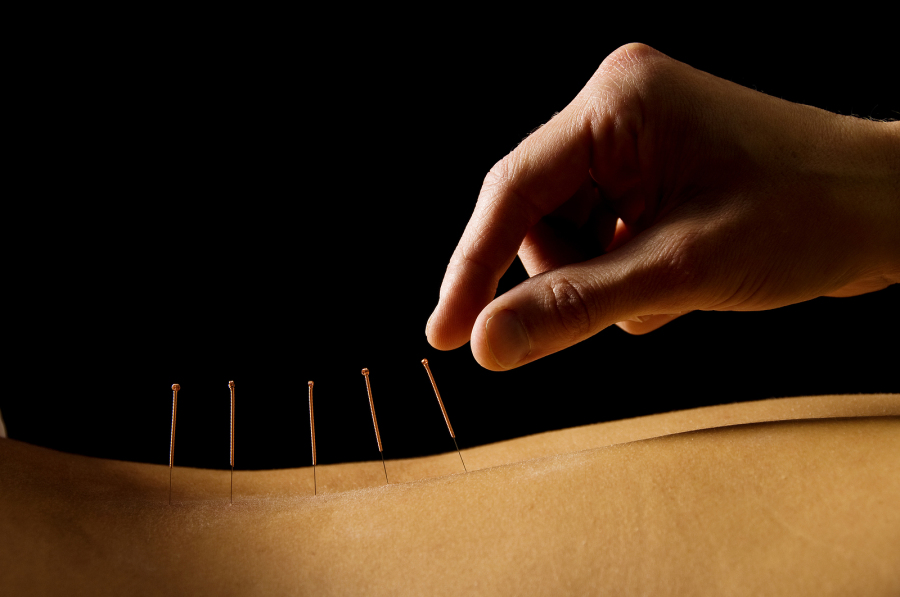
What Can You Expect From Your First Acupuncture Appointment?
The most widely used and most well-known traditional Chinese medicine, acupuncture can be effective at helping to relieve the symptoms of diseases by stimulating the various systems of the human body.
An integrated treatment that focuses on both body and mind, acupuncture involves the insertion of fine needles along meridian channels in order to bring the body back to a state of homeostatic health.
A lot of people have considered acupuncture but have questions that they were afraid to ask ahead of their first treatment.
Whilst we are more than happy to discuss any specific needs with you, here is what to expect from acupuncture ahead of your first treatment, as well as answers to some frequently asked questions.
What Does The Initial Assessment Look Like?
Before you have your first acupuncture session, you will have an initial consultation session where you will be asked to fill out a health questionnaire, which will shape the specifics of your treatment.
Acupuncture, as well as other forms of traditional Chinese and Western medical treatment, needs to be tailored to each person, their individual needs and their overall health.
This usually involves testing various health baselines, such as the rhythm of your pulse and looking at your tongue, examining underlying health conditions that may require a mix of treatments involving both acupuncture and general practice, and having a discussion about your specific needs and how acupuncture and traditional Chinese medicine can help you.
All of this will determine how many needles need to be placed, how long they will remain and how many sessions you will need before the full effects of the treatment are realised.
Does Acupuncture Hurt?
Because of how fine the needles are and how precisely they are inserted into the meridian channels, you will barely be able to feel them at all. It is literally less than a pinprick or a vaccine injection; the most that people will feel during treatment is a slight tingle as they are adjusted.
Acupuncture treatments typically induce a sense of relaxation, making them suitable for addressing symptoms such as insomnia, depression, and anxiety. Where appropriate, it can be combined with aromatherapy massage or cupping therapy for a more integrated approach.
What Should You Do Before Your First Treatment?
You will receive some advice on what you need to know before your first session and when you may need to rearrange it. For example, if you are menstruating, we try to avoid administering acupuncture, and it is typically best to rearrange.
As well as this, you should make sure to hydrate and eat something at least an hour before your treatment, as acupuncture on an empty stomach can potentially cause a vasovagal response, such as fainting, as the treatment circulates energy around your body.
Make sure to have a snack before treatment, even if you typically do not eat breakfast. If you are feeling lightheaded or are fasting for religious reasons, let us know, as we may have to rearrange your session.
Try to minimise caffeine and alcohol consumption as well, as both can affect your ability to relax and focus on treatment.
As well as this, wear light, loose-fitting clothes made from breathable fabrics, as they not only allow the practitioner to access all of the important points of your body, but also will help you feel more comfortable and avoid the distractions that come from uncomfortable clothes.
Similarly, avoid wearing strong perfumes or heavy makeup.
Nov 25
Acupuncture For Arthritis: 6 FAQs
One very common condition that affects millions of people in the UK is arthritis, where pain and inflammation affects different joints in the body.
People of all ages, including children, can be affected by arthritis, which typically impacts joints in the hands, spine, knees and hips.
Symptoms of arthritis include joint pain, stiffness, tenderness, inflammation, restricted movement, weakness, muscle wastage and warm red skin over the affected area.
Unfortunately, there is no cure for arthritis but there are many treatment options that can help slow progression and which can provide you relief for your symptoms.
This includes surgery, medication and lifestyle changes - but you may also find that acupuncture is an effective form of treatment, as well.
What is acupuncture?
The traditional Chinese practice of acupuncture first came to the fore around 3,000 years ago - and it’s still very much in use today!
The idea behind it is that disease and sickness comes when the body’s energy flow (known as the Qi, which runs through the body to connect tissue with organs) is disrupted or blocked and needs to be brought back into balance through the use of fine needles, which are inserted into specific points in the body to treat a range of conditions… including arthritis.
The Qi flows through meridians, channels that correspond to different organs in the body. In order for our minds and bodies to stay in good working order, the Qi has to flow freely and sufficiently - and when this is hindered or impaired (such as through physical trauma, suppressed emotions or poor diet), illness occurs.
How can acupuncture treat arthritis?
It’s thought that acupuncture can help address arthritic symptoms by releasing endorphins to tackle pain, reducing inflammation, improving circulation to reduce swelling and relax the muscles, and helping any pain and stiffness you may be experiencing.
In traditional Chinese medicine, acupuncture works by regulating Qi and Blood, improving meridian circulation, reducing Bi Syndrome (blockages that cause pain) and supporting the body’s self-healing mechanisms.
How often should you acupuncture for arthritis?
Depending on the severity of your condition, you may need to go for acupuncture sessions once or twice a week for up to six weeks. This can then be reduced gradually as your symptoms improve. If you’re in acute pain or your symptoms return or worsen, you can always increase the frequency of your sessions.
How can you tell if acupuncture is working?
Check in with your body and how it feels. If you see a reduction in your symptoms, as well as improvements in anxiety, nausea and pain, better sleep and improved energy, these are all signs that acupuncture is working to tackle your arthritis.
Is acupuncture safe?
It’s widely accepted that acupuncture is a very safe practice so this isn’t something to worry about.
You may feel a little lightheaded after a session, especially if you haven’t eaten beforehand. This is uncommon and usually settles very quickly. We simply recommend having a small snack before your appointment so you feel comfortable during and after treatment.
Occasionally, there may be a tiny spot of bleeding or a small bruise at the needle site. This is very minor, not painful and will disappear on its own without any special care.
What other alternative therapies can help with arthritis?
Another option to consider for arthritis-related muscular pain - and something that we offer here at AcuSpa - is cupping.
Here, stagnation is removed and the flow of Qi stimulated by placing glass cups on the skin and warming the air within to create a vacuum. Bodily tissue is drawn up into the cup to increase blood flow, potentially stimulate healing and loosen up the fascia (connective tissue).
If you’d like to find out more about acupuncture and traditional Chinese medicine, get in touch with the team here today.
Aug 2024
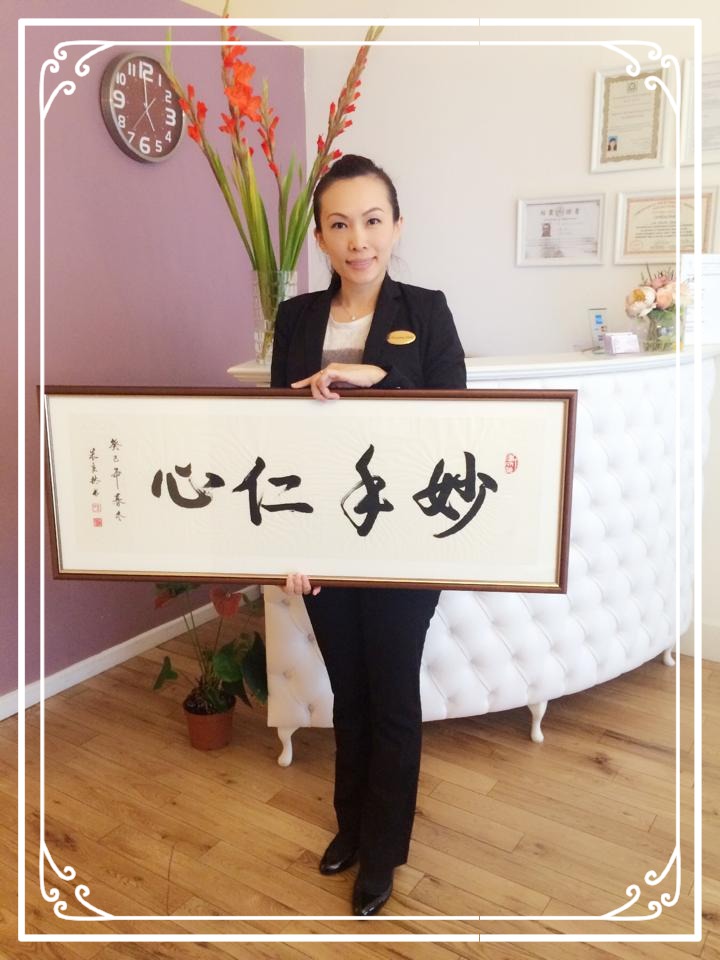
We are very pleased to announce that our Lead Clinician, Phoebe Yang has been admitted as a member of the British Acupuncture Council (BAcC) the UK’s largest, professional body for traditional acupuncturists. Please join us in congratulating Phoebe on her admission.
"My professional ambition is to reach as many patients as I can. I will continue to better myself academically and professionally so that our treatment programmes are accessible to as many patients as possible.
Adding BAcC to my professional qualifications means that I now belong to an accredited register, regulated and approved by the Professional Standards Authority for Health & Social Care (PSA). It also means that
patients with health insurance could benefit from subsidised treatment under their policies.
Insurers include Bupa, Simply Health, Healthshield, Medicash, Vitality Health. For a complete list of insurers please call my team for further information.
Phoebe Yang MBAcC
Lead Clinician
Your Well Being is Our Business
Dec 25
Research Into Acupuncture: 11 Facts About The Practice
When it comes to our general physical, emotional and spiritual wellbeing, adopting a holistic approach to health management is perhaps the best way to keep yourself in fine fettle.
As well as going through the usual channels if you have a complaint of some kind, such as going to see your GP and following their advice, you might also want to consider the very real benefits of acupuncture, which has been found over the centuries to successfully treat a wide range of different concerns.
What is acupuncture and how does it work?
In modern Western medicine, it’s understood that the body is made up of different complex systems (nervous, muscular, skeletal, digestive, respiratory and so on).
But in traditional Chinese medicine, an additional system comes into play - meridian channels that facilitate the flow of Qi (energy) throughout the body, interconnecting with tissue and organs.
Each meridian corresponds to a different organ and in order for the body and mind to be healthy, Qi has to be able to flow freely. When this flow is interrupted, illness and disease manifests.
To help address potential Qi blockages, fine needles are inserted into specific points along the meridians in the body, either unblocking and moving the flow or redirecting it to where it needs to go, restoring normal function once again. And that’s acupuncture!
If you want to find out even more, here are just a couple of different studies forming part of the growing body of research into the benefits of acupuncture for different health conditions.
Read on!
11 fast facts about acupuncture: What the research shows
A systematic review of high-quality medical trials by Vickers et al (2018) involved more than 20,000 adults with chronic headaches, osteoarthritis and musculoskeletal pain, finding:
-
Acupuncture is more effective than control for all pain conditions
-
The effects of the treatment persist over time (15 per cent reduction at the one-year stage)
-
Acupuncture is not a placebo for treatment of chronic pain
Research from the University of York found that acupuncture and boost the effectiveness of standard medical care, reducing the severity of depression and chronic pain, and revealing:
-
Acupuncture, used alongside standard medical care, can significantly reduce the number of headaches and migraine attacks, as well as reducing severity of neck and lower back pain
-
Acupuncture can reduce the pain and disability of osteoarthritis, reducing reliance on anti-inflammatory pain control medication
-
Acupuncture is cost effective, with value for money less than the £20,000 threshold cost per quality of life year
-
Acupuncture, alongside counselling, can significantly reduce depression severity, with benefits sustained for up to 12 months post-treatment
A 2016 systematic review and metaanalysis into the efficacy of acupuncture in post-operative pain management (Ming-Shun Wu et al) found:
-
Acupuncture treatment resulted in less pain and reduced use of opioid analgesics (which come with potential side-effects) after surgery
A systematic review and metaanalysis of randomised controlled trials (Quan et al) found:
-
There is a benefit of acupuncture for outcomes in women with infertility
-
The number of acupuncture treatments is one potential influential factor
-
More studies with larger scales and better methodologies are now needed to further verify findings
Book an acupuncture treatment session
If you’re intrigued to find out more about the benefits of acupuncture for different health conditions, get in touch with the AcuSpa team today to see how we can help.
 Print
Print